Project: Pastoralist Education Programme (PEP)
Location: Pariak Cattle Camp, Jonglei State, South Sudan

Bringing Education Closer to Children

For many children living in cattle camps across South Sudan, access to education remains a significant challenge. Long distances to schools, financial hardship, and the demands of pastoralist life often prevent children from enrolling in or completing formal education.

To address these barriers, Community In Need Aid (CINA), with support from UNICEF, established the Pastoralist Education Programme (PEP) at Pariak Cattle Camp. By bringing learning opportunities directly to pastoralist communities, the programme is helping children gain foundational literacy and numeracy skills while inspiring them to pursue their dreams. 

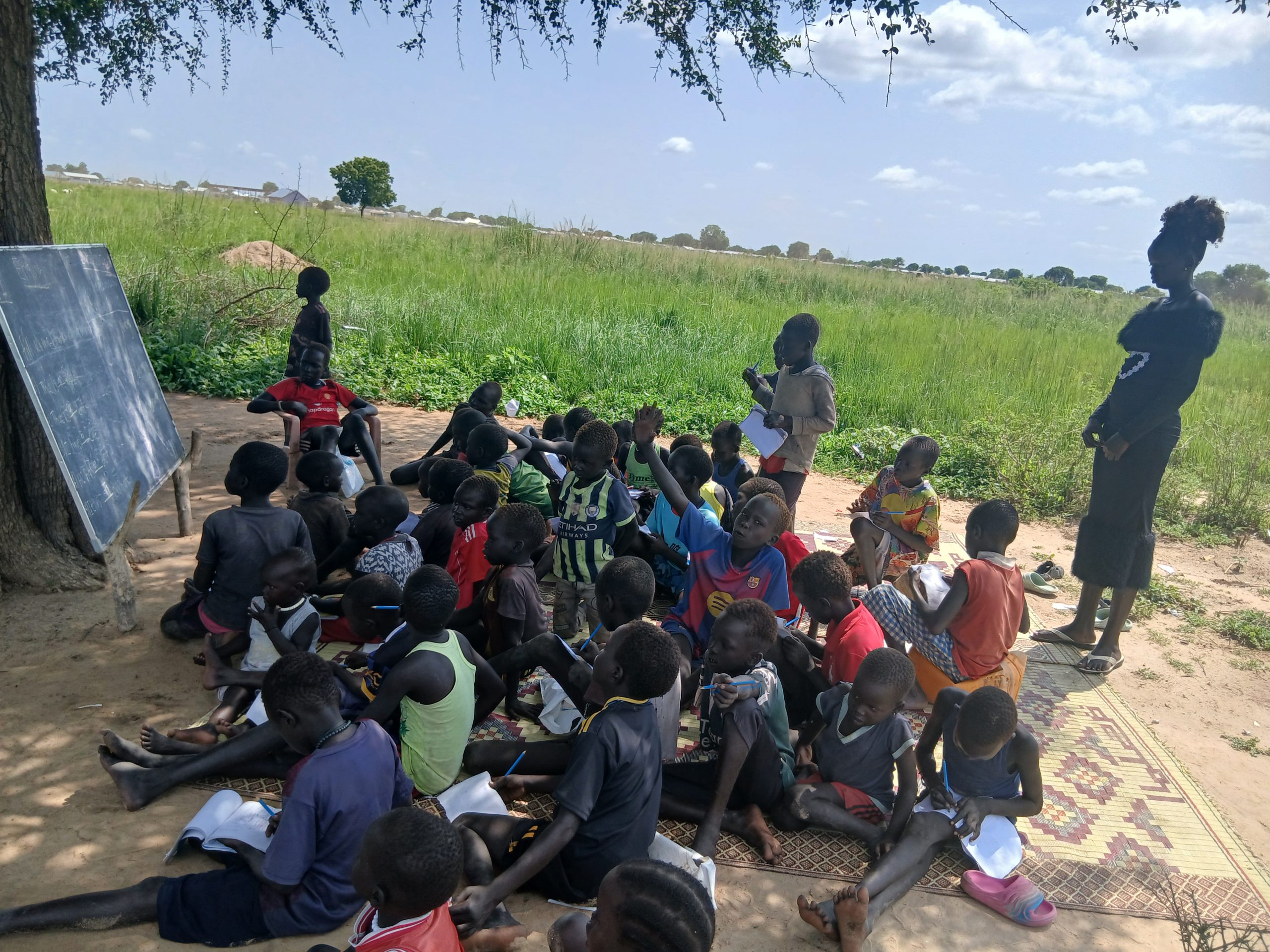
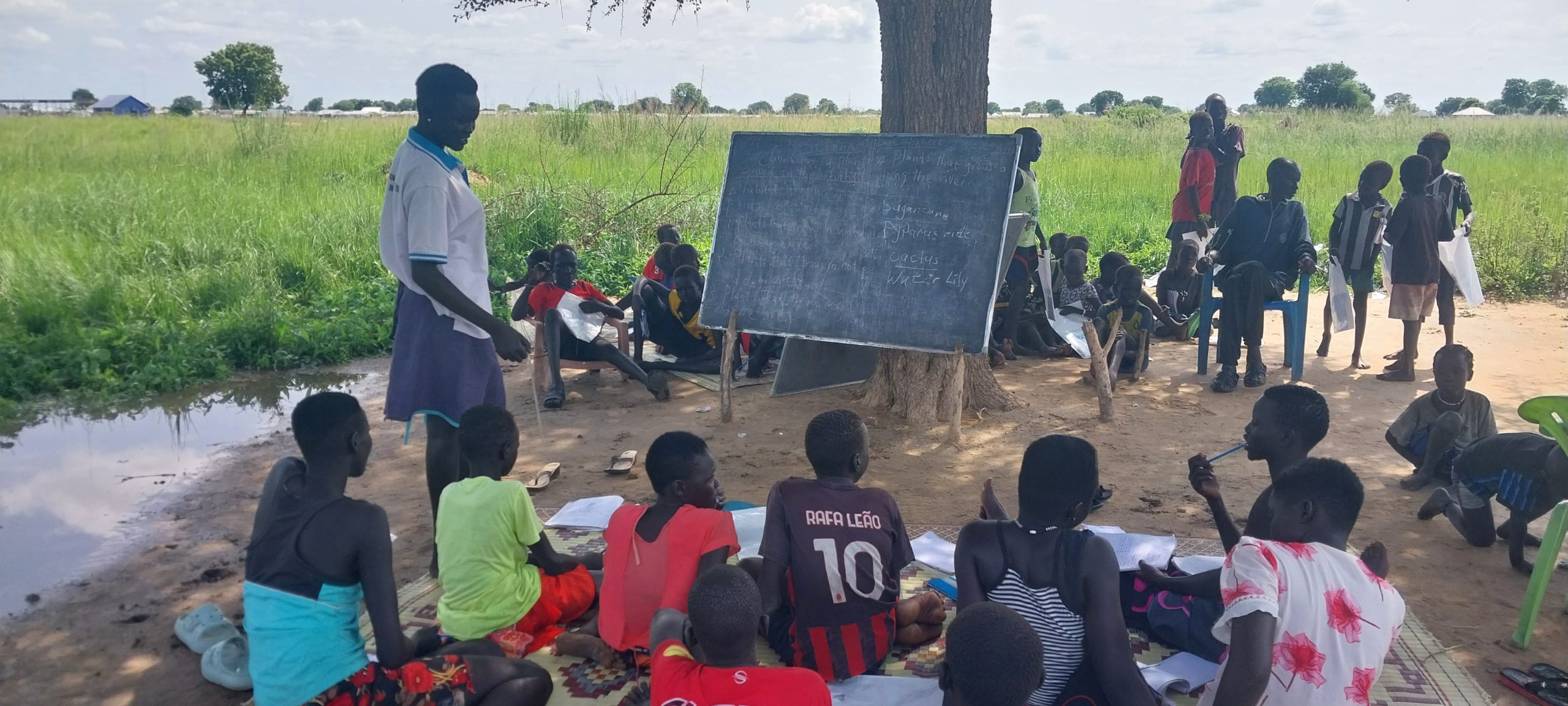
Learners participate in a lesson at Pariak Mobile Pastoralist Education Centre. The programme brings education closer to children living in cattle camps. Photo: CINA/2026

Nai Ajang Jok: Discovering the Value of Education

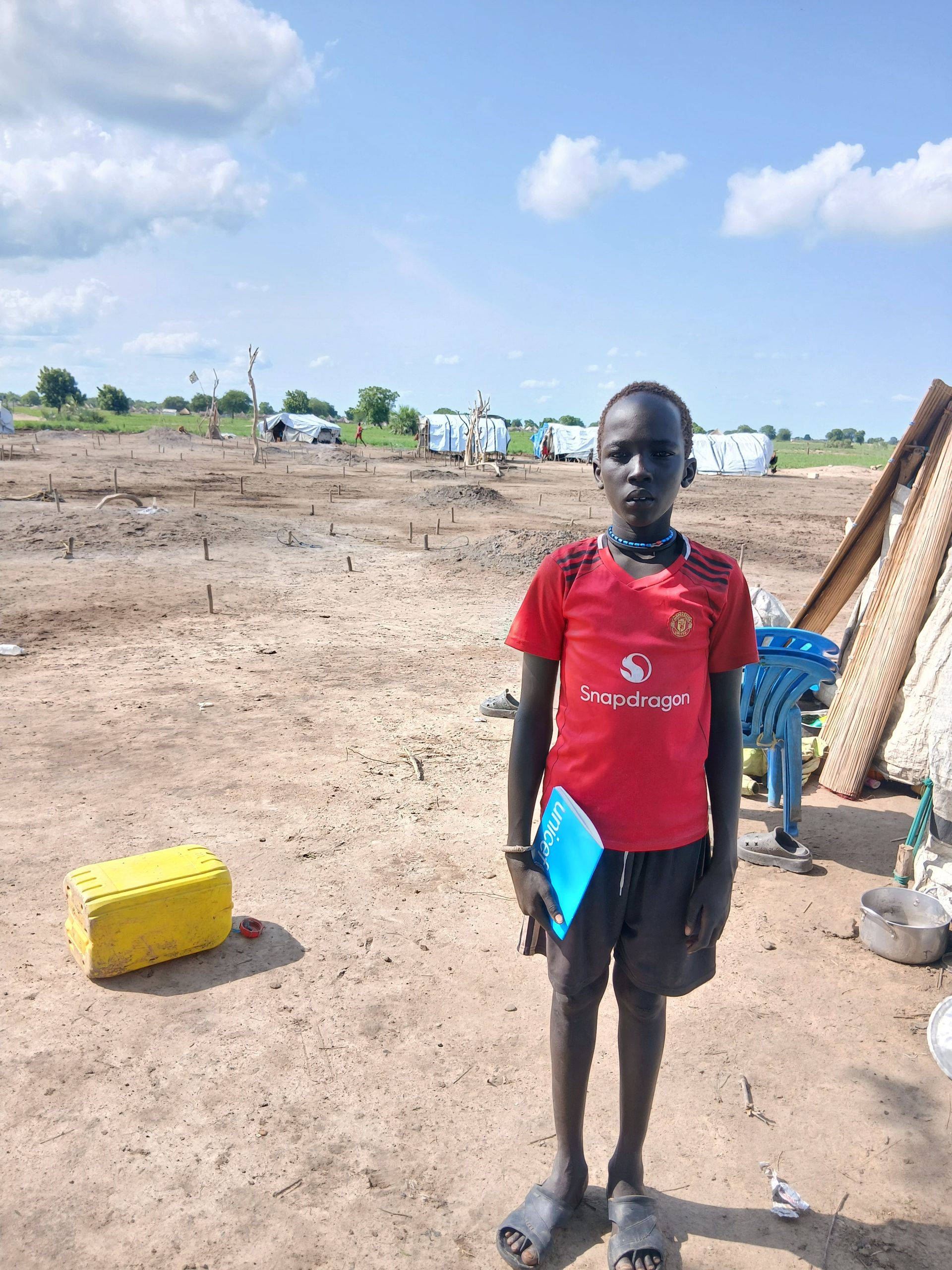
Twelve-year-old Nai Ajang Jok is enrolled in Level One at the Pariak Mobile PEP Centre. Coming from a family of eight children, Nai had limited opportunities to attend school due to financial difficulties.

Initially, he did not plan to register.

“I picked no interest during the registration because I thought it was just a short learning session. But when I saw children receiving books, I realized that it was real learning, so I registered and received my writing books too.” 

When Nai’s father became ill, the family’s situation became even more challenging. As the family’s sole breadwinner, his father’s illness forced several of Nai’s siblings to leave school. Today, Nai and his twin sister are among the few children in the household able to continue learning through the programme. 

During monitoring visits, Nai distinguished himself through his enthusiasm, active classroom participation, and eagerness to learn.

“I love English language, and I want to be a teacher when I grow up. Teaching children is important because it helps them become what they want to be in the future.” 

Inspired by the opportunities he has received, Nai hopes to encourage other children in the cattle camp to enroll and continue their education.

Achok Garang Ajak: A Second Chance to Pursue Her Dreams

Fifteen-year-old Achok Garang Ajak is enrolled in Level Two at the Pariak Mobile PEP Centre. She is the youngest of seven children in her family. Although two of her siblings completed secondary education, financial challenges prevented the others from continuing their studies. 

Before joining the programme, Achok was studying in Primary Five. However, financial difficulties forced her father to withdraw her from school and return with her to the cattle camp. The PEP programme provided a second opportunity for her to continue learning and pursue her ambitions. 

“I like the programme because it has given me a second opportunity to complete my studies after my father brought me to the cattle camp.” 

Achok particularly enjoys Mathematics and Science and dreams of becoming a pilot.

“I want to complete my education and become a pilot.” 

She believes education will enable her to improve her family’s living conditions and create opportunities that were previously out of reach.

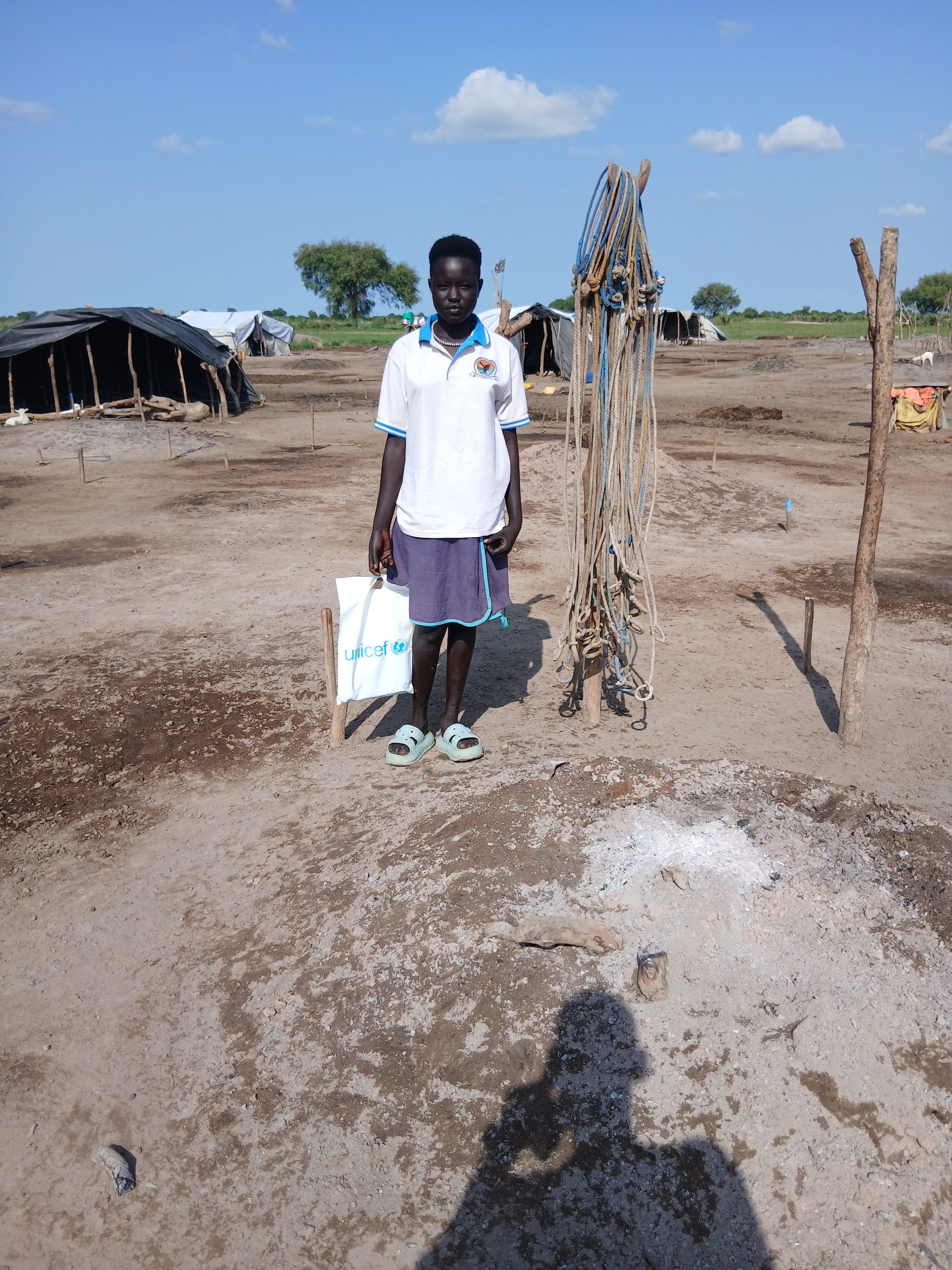
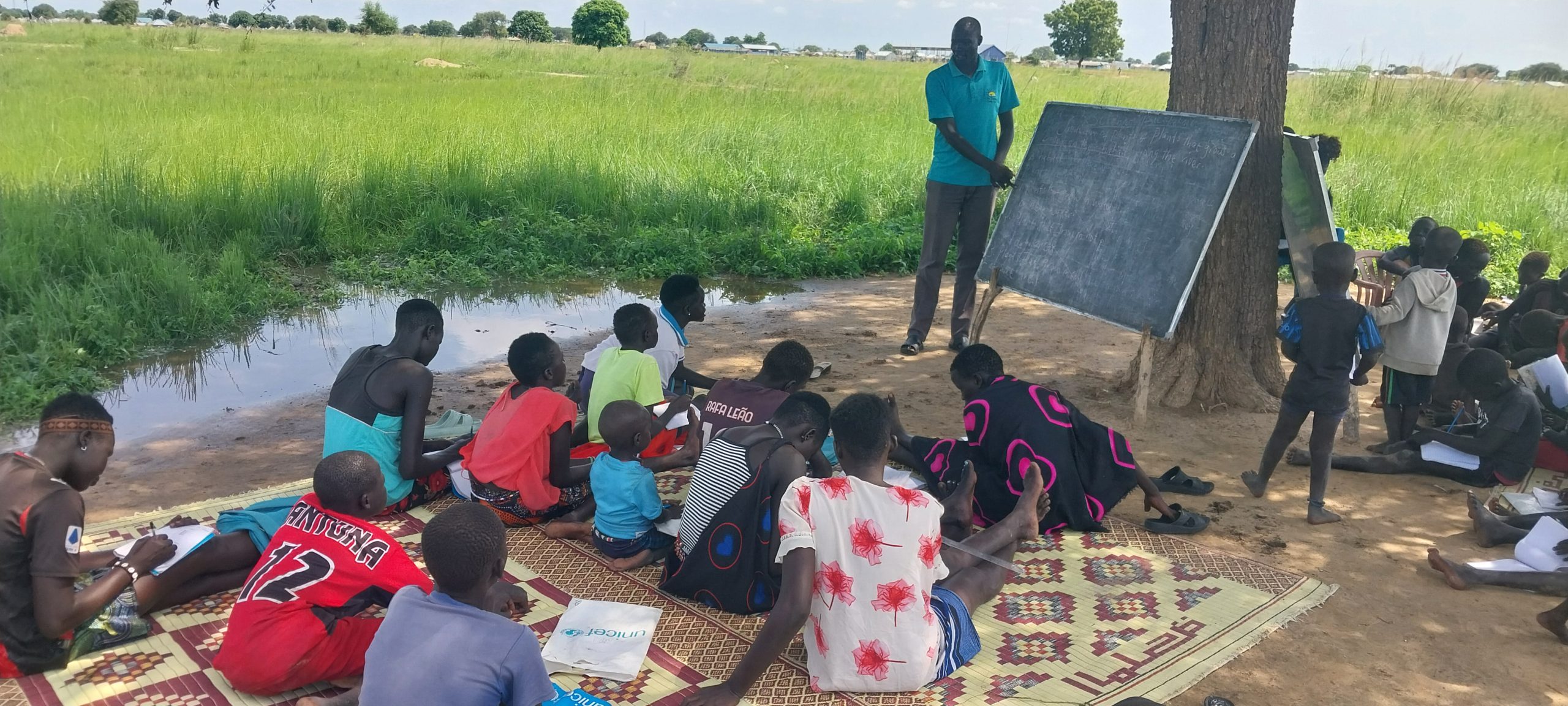
Figure 3: Achok Garang Ajak at the Pariak Mobile PEP Centre, where she is pursuing her dream of completing her education. Photo: CINA/2026

Community Support for Learning

The programme has received strong support from community members, who recognize its importance in overcoming barriers to education for children living in cattle camps.

According to Mabior Riak, a parent representative, learning within the cattle camp environment makes education more accessible while helping keep children engaged in productive activities.

“In the cattle camp, we are able to see which child is always skipping classes, and we reach out to the parents and advise accordingly.” 

Community members expressed appreciation to CINA and UNICEF for providing learning materials and supporting teachers. They also highlighted the need for additional teachers and improved classroom furniture to further strengthen the learning environment.

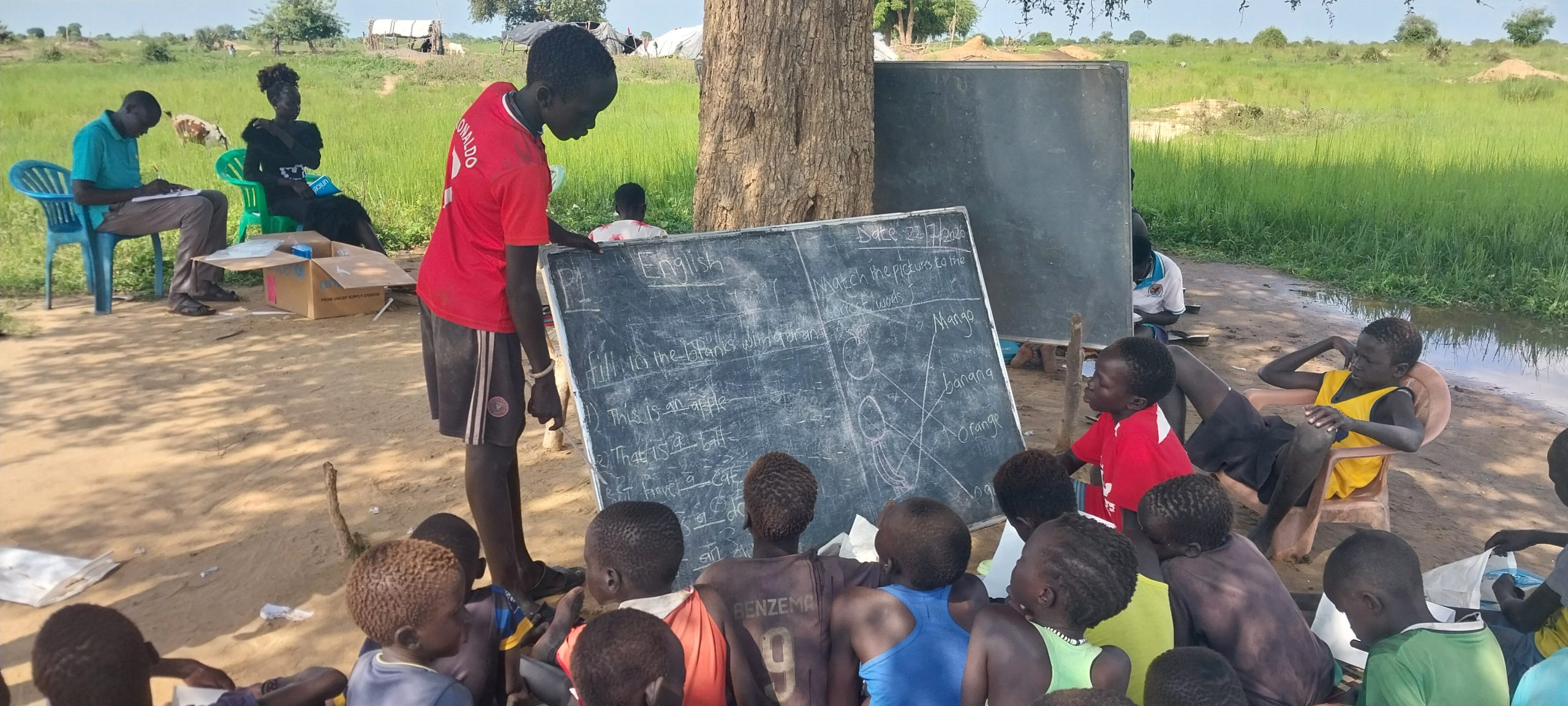
Figure 4: A teacher conducts a lesson at the Pariak Mobile Pastoralist Education Centre. Photo: CINA/2026

Building Brighter Futures

The experiences of Nai and Achok demonstrate the transformative power of flexible, community-based education. By bringing learning directly to pastoralist communities, the Pastoralist Education Programme is helping children acquire knowledge, regain hope, and build aspirations for a brighter future.

Through continued support from CINA and UNICEF, more children living in cattle camps will have the opportunity to learn, develop their potential, and contribute positively to their communities.

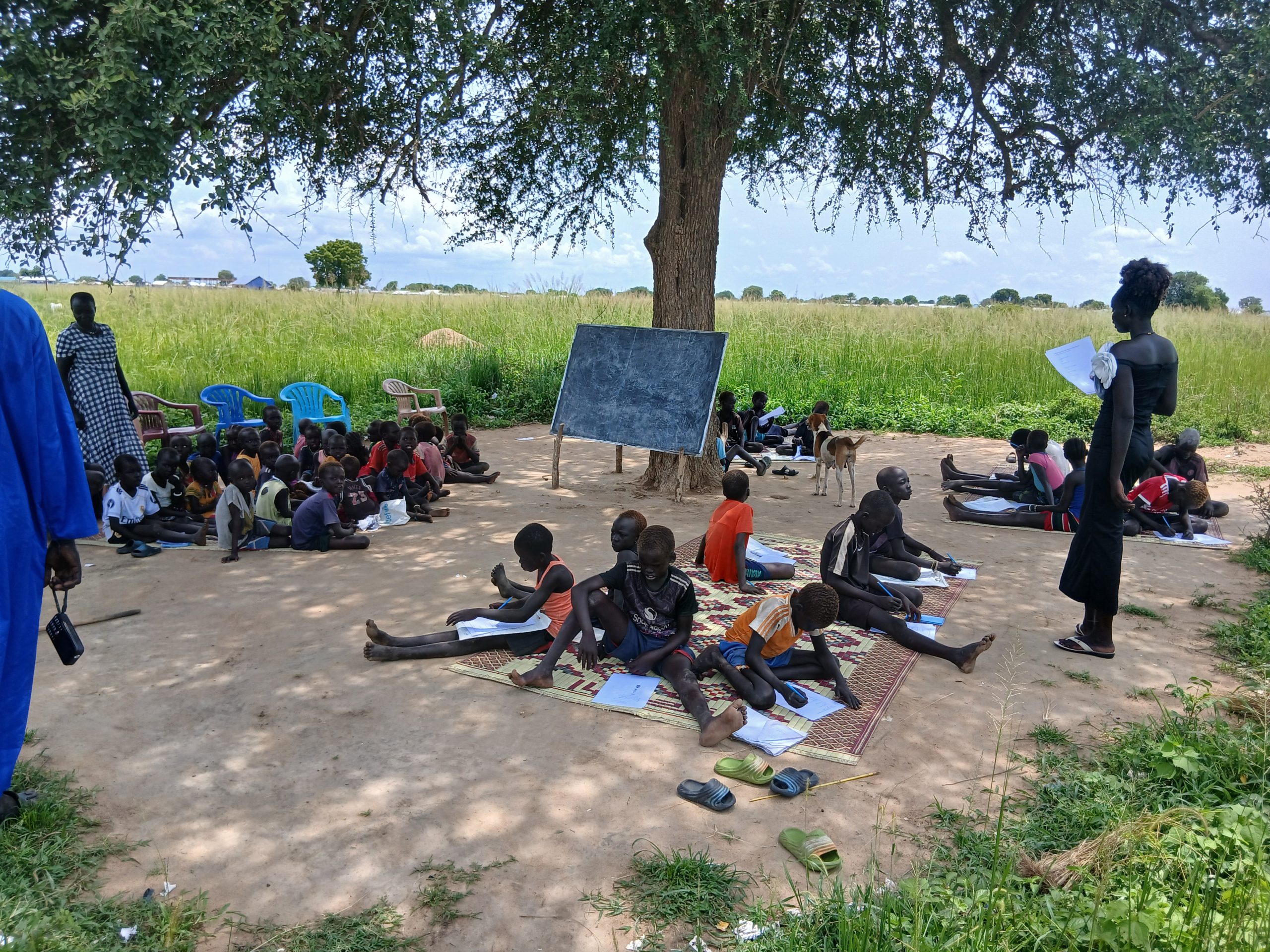
Figure 5: Learners sit for assessment activities at the Pariak Mobile Pastoralist Education Centre, demonstrating their commitment to learning and academic progress. Photo: CINA/2026

Call to Action

Despite the progress achieved through the Pastoralist Education Programme, many children living in cattle camps continue to face barriers to accessing quality education. Limited learning materials, shortages of trained teachers, and inadequate learning infrastructure remain significant challenges.

CINA calls upon development partners, donors, government institutions, and community stakeholders to continue investing in flexible and inclusive education programmes that reach children in hard-to-access pastoralist communities.

By supporting initiatives such as mobile education centres, teacher recruitment and training, provision of learning materials, and child-friendly learning spaces, we can ensure that more children like Nai and Achok have the opportunity to learn, develop their potential, and achieve their aspirations.

Education is more than learning to read and write. It is a pathway to opportunity, resilience, and a brighter future. Together, we can help ensure that no child is left behind, regardless of where they live.

Join us in expanding access to education for pastoralist children and empowering the next generation with the knowledge and skills they need to transform their lives and communities.